Delivery*
Free for orders $200 & above!
Burglary Intrusion Alarm Communicators - GeoArm Security®
▼ Shop Our Burglar Alarm Communicators ▼


Quick AI Overview:
Shop Burglary Intrusion Alarm Communicators from GeoArm Security for new and existing alarm systems. Browse cellular, LTE, IP, Ethernet, Wi-Fi, and dual-path alarm communicators compatible with leading security system panels. Upgrade your home or business alarm system with reliable communication solutions for GeoArm 24/7 professional UL-Listed central station monitoring or DIY self-monitoring with no long-term contract.
What are Burglar Alarm Communicators?
Burglary Alarm Transmissions
for Break-Ins, Smoke/CO, Flood, etc!
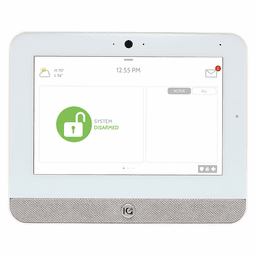
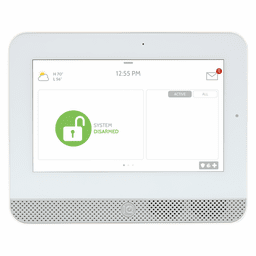
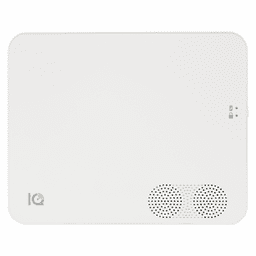
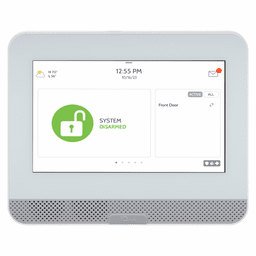
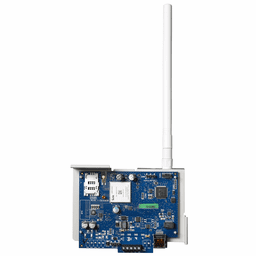
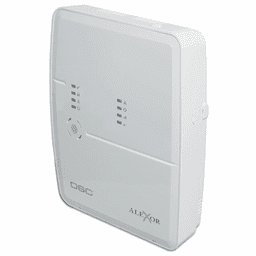
Burglary intrusion alarm communicators play a crucial role in modern security systems by ensuring that alarm signals are promptly and reliably transmitted to a central monitoring station or designated recipient. These devices, often referred to as "alarm communicators" or "alarm transmitters," serve as the communication bridge between your security system and the monitoring service. When a security system detects an intrusion, fire, or any other condition that triggers an alarm, the communicator springs into action, sending a signal through various communication paths such as cellular networks, Wi-Fi, or internet connections. This immediate transmission is vital for ensuring that the monitoring station can quickly assess the situation and alert the appropriate authorities or individuals, thereby facilitating a rapid response to potential security threats.
The versatility of alarm communicators is one of their key strengths. They can be configured to use multiple communication paths, providing redundancy and ensuring that the alarm signal reaches its destination even if one path fails. For instance, if a cellular network is down, the communicator might switch to a Wi-Fi or internet connection to transmit the alarm. This adaptability is particularly important in areas with unreliable network coverage or during events that might disrupt standard communication channels. Additionally, many modern alarm communicators are equipped with advanced features such as encryption and tamper detection, further enhancing the security and reliability of the alarm transmission process. By integrating these devices into a security system, property owners can have greater peace of mind knowing that their premises are being monitored effectively and that any potential threats will be addressed swiftly.

Burglary Alarm Signal to Apprehension?
Step 1. A security sensor is triggered and is transmitted from the burglar control panel communicator to the end user and/or GeoArm 24/7 Pro central monitoring station.
Step 2. With DIY self monitoring, the end user is responsible for dispatching the authorities when an alarm initiating event occurs.
With PRO central monitoring, the 24/7 live operator is responsible for following the dispatch protocol (listed in Step 3).
Step 3. If alarm signal is either confirmed valid, or if the end user is unreachable when the operator attempts to contact them, then dispatching procedures will occur (police, fire and/or medical authorities).
 |
Internet Path |
WiFi Path |
Cellular Path |
Dual Paths |
Tri Paths |
| No-Term Contracts: |
 |
|
|
|
|
| No-Third Party Bills: |
|
|
|
|
|
| Free Move Program: |
|
|
|
|
|
| Free Technical Support: |
|
|
|
|
|
| ETL-Listed Provider: |
|
|
|
|
|
| Line Cut Protection: |
 |
|
|
|
|
| Supported Brands? | The Following Alarm Brands are Supported for Sending Alarm Signals to the Central Station. | ||||
| 2GIG: |
|
|
|
|
|
| Alarm.com: |
|
|
|
|
|
| AlarmNet: |
|
|
|
|
|
| Alula: |
|
|
|
|
|
| DSC: |
|
|
|
|
|
| GeoAlarm: |
|
|
|
|
|
| Honeywell: |
|
|
|
|
|
| GE Interlogix: |
|
|
|
|
|
| IpDatatel: |
|
|
|
|
|
| M2M: |
|
|
|
|
|
| Napco: |
|
|
|
|
|
| Qolsys: |
|
|
|
|
|
| Resideo: |
|
|
|
|
|
| Resolution: |
|
|
|
|
|
| Telguard: |
|
|
|
|
|
| Uplink: |
|
|
|
|
|
| Videofied: |
|
|
|
|
|
| Required Equipment? | The Following Alarm Communicators are Required To Send Alarm Signals to the Central Station. | ||||
| Internet Communicator: |
|
|
|
|
|
| WiFi Communicator: |
|
|
|
|
|
| Cellular Communicator: |
|
|
|
|
|
| Dual-Paths Communicator: |
|
|
|
|
|
| Tri-Paths Communicator: |
|
|
|
|
|
▼ Burglary Intrusion Alarm Communicator Brands ▼




▼ Burglary Intrusion Alarm Communication Paths ▼


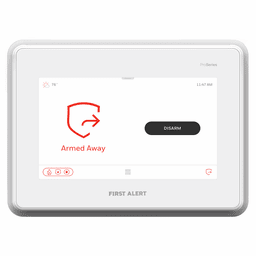
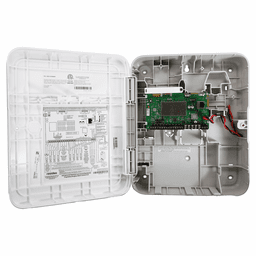
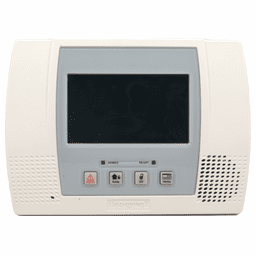
▼ Burglary Intrusion Compatible Alarm Control Panels ▼













Delivery*
Free for orders $200 & above!
Free for orders $200 & above!

Delivery*
Free for orders $200 & above!
Free for orders $200 & above!

Delivery*
Free for orders $200 & above!
Free for orders $200 & above!

Delivery*
Free for orders $200 & above!
Free for orders $200 & above!

Delivery*
Free for orders $200 & above!
Free for orders $200 & above!

Delivery*
Free for orders $200 & above!
Free for orders $200 & above!

Delivery*
Free for orders $200 & above!
Free for orders $200 & above!







Delivery*
Free for orders $200 & above!
Free for orders $200 & above!

Delivery*
Free for orders $200 & above!
Free for orders $200 & above!

Delivery*
Free for orders $200 & above!
Free for orders $200 & above!

Delivery*
Free for orders $200 & above!
Free for orders $200 & above!

Delivery*
Free for orders $200 & above!
Free for orders $200 & above!

Delivery*
Free for orders $200 & above!
Free for orders $200 & above!

Delivery*
Free for orders $200 & above!
Free for orders $200 & above!

Delivery*
Free for orders $200 & above!
Free for orders $200 & above!

Delivery*
Free for orders $200 & above!
Free for orders $200 & above!

Delivery*
Free for orders $200 & above!
Free for orders $200 & above!


Delivery*
Free for orders $200 & above!
Free for orders $200 & above!



Delivery*
Free for orders $200 & above!
Free for orders $200 & above!

Delivery*
Free for orders $200 & above!
Free for orders $200 & above!

Delivery*
Free for orders $200 & above!
Free for orders $200 & above!

Delivery*
Free for orders $200 & above!
Free for orders $200 & above!
Delivery*
Free for orders $200 & above!
Free for orders $200 & above!

Delivery*
Free for orders $200 & above!
Free for orders $200 & above!
Delivery*
Free for orders $200 & above!
Free for orders $200 & above!

Delivery*
Free for orders $200 & above!
Free for orders $200 & above!