


Delivery*
Free for orders $200 & above!
Hospital Security Systems - GeoArm Security®
▼ Shop Our Hospital Security Systems ▼
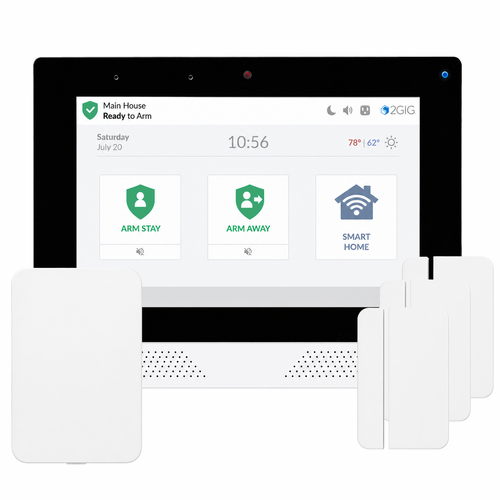
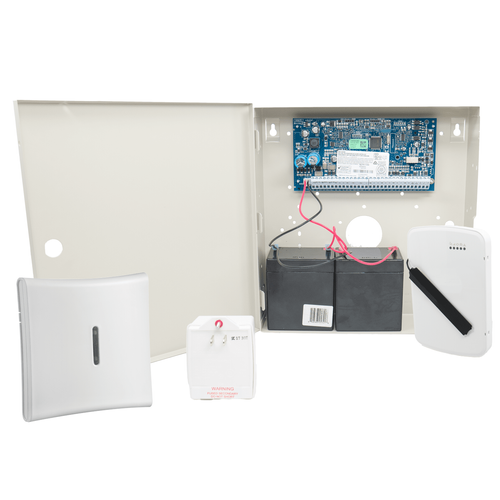
Buy Online!

Delivery*
Free for orders $200 & above!
Free for orders $200 & above!

Buy Online!
Delivery*
Free for orders $200 & above!
Free for orders $200 & above!

Buy Online!
Delivery*
Free for orders $200 & above!
Free for orders $200 & above!

Buy Online!
Delivery*
Free for orders $200 & above!
Free for orders $200 & above!


Quick AI Overview:
GeoArm-powered security systems are designed to deliver comprehensive protection for hospitals and urgent care facilities, helping safeguard patients, staff, and sensitive areas. With advanced monitoring, real-time alerts, and scalable wireless technology, hospital security systems support a safe, secure, and responsive healthcare environment.
What is a Hospital Security System?
The Hospital Security System is a comprehensive safety solution designed to protect patients, staff, visitors, and sensitive medical assets within healthcare environments such as hospitals, clinics, and urgent care facilities. These systems typically integrate intrusion detection, video surveillance, access control, emergency alert systems, and 24/7 professional monitoring to create a secure and controlled environment. Given the constant flow of people and the presence of valuable equipment, medications, and patient information, a reliable security system is essential for maintaining safety, privacy, and operational continuity.
A well-designed hospital security system can be highly effective at fighting crime by deterring potential burglars and intruders from attempting to break into the hospital or urgent care in the first place. Visible cameras, access-controlled entry points, alarm keypads, and security signage send a clear message that the facility is actively monitored and protected. This proactive approach helps reduce theft, vandalism, and unauthorized access while also enhancing the overall sense of safety for patients and healthcare professionals.
If a burglary does occur, a hospital security system can quickly alert you and/or the GeoArm 24/7 central station alarm monitoring, where a live operator can immediately dispatch your local authorities having jurisdiction. This rapid response increases the chances of catching the perpetrator and recovering stolen property while minimizing disruption to critical healthcare services. GeoArm sells top rated security systems from trusted brands such as 2GIG, Alarm.com, IQ, Qolsys, Resideo and more, providing scalable and dependable solutions tailored specifically for hospital and urgent care environments.
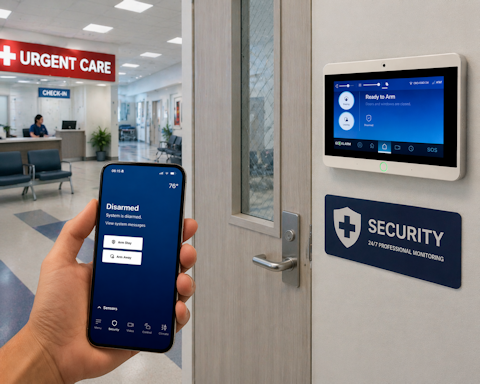
Why Build an Alarm System for an Urgent Care?
1. Protect Patients, Staff, and Visitors: A security system helps ensure a safe environment by monitoring activity and reducing risks of violence, theft, or unauthorized access.
2. Deter Crime Before It Happens: Visible cameras, alarm systems, and access control points discourage burglars and intruders from targeting the facility.
3. Secure Sensitive Areas: Access control systems restrict entry to critical areas such as operating rooms, pharmacies, data centers, and supply storage.
4. Safeguard Medications and Equipment: Hospitals store high-value medical equipment and controlled substances that require strong protection against theft and misuse.
5. 24/7 Monitoring and Rapid Emergency Response: GeoArm professional monitoring ensures immediate alerts and quick dispatch of authorities in case of emergencies.
6. Enhance Workplace Safety for Staff: Panic buttons and duress alarms provide immediate assistance in high-risk situations, especially in emergency rooms and late-night shifts.
7. Improve Patient Privacy Compliance: Security systems help protect sensitive patient data and support compliance with regulations like HIPAA.
8. Monitor and Manage Visitor Access: Track who enters and exits the facility, helping prevent unauthorized individuals from accessing restricted areas.
9. Reduce Liability and False Claims: Video footage provides evidence in case of disputes, incidents, or malpractice claims.
10. Real-Time Remote Access and Control: Administrators can monitor cameras, receive alerts, and control the system from mobile devices anytime, anywhere.
11. Support Emergency Preparedness: Integrated systems can assist during lockdowns, evacuations, or other emergency scenarios with coordinated alerts and controls.
12. Build Trust and Confidence: A secure environment reassures patients and families that their safety and well-being are a top priority.
Competitive Advantages?

Other
Companies
Companies
No-Term Contracts
 Month-to-Month Subscription Plans
Long-Term and Liquidated Damages
New or Existing Systems
Takeover a Wide Range of Control PanelsExclusive to Their Own Brand Name
Proprietary Technology
Choose from Non-Proprietary EquipmentLocked Out Proprietary Equipment Only
Live Operator Service
Optional 24/7 Professional Central StationRequired 24/7 Professional Central Station
Do-It-Yourself Options
More Flexible DIY Brands and ServicesFewer DIY Brand Options Available
Free Move Program
Nationwide Coverage is SupportedSome Limitations on Coverage Areas
Technical Support
Inexpensive Remote TechniciansCostly Onsite Hourly Service Rates


